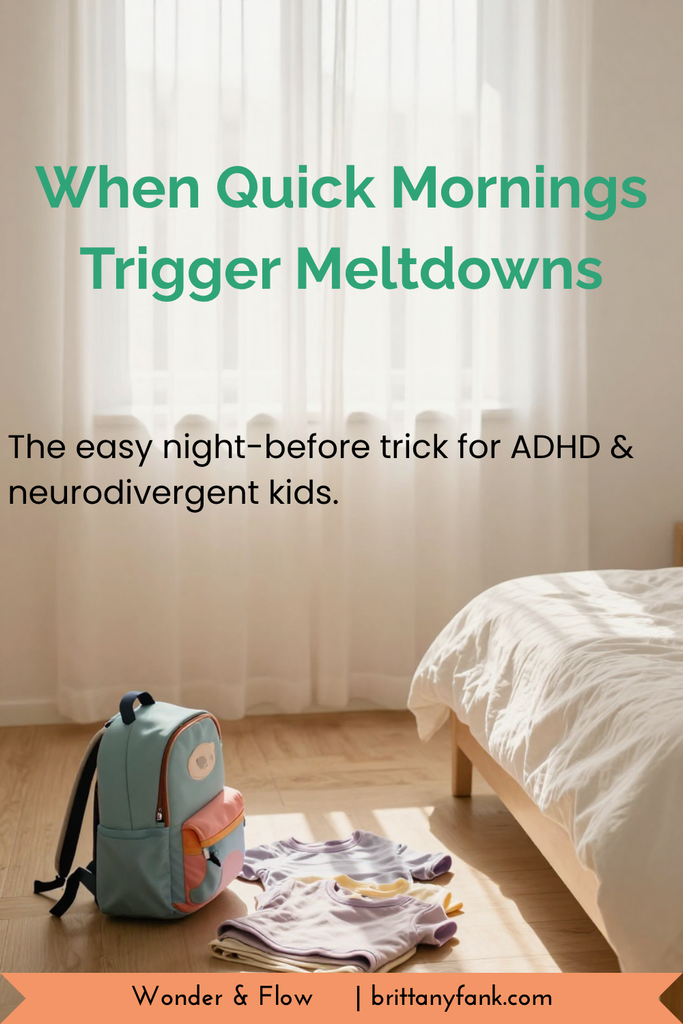
Loading the Night Before Helps Neurodivergent Kids Pivot
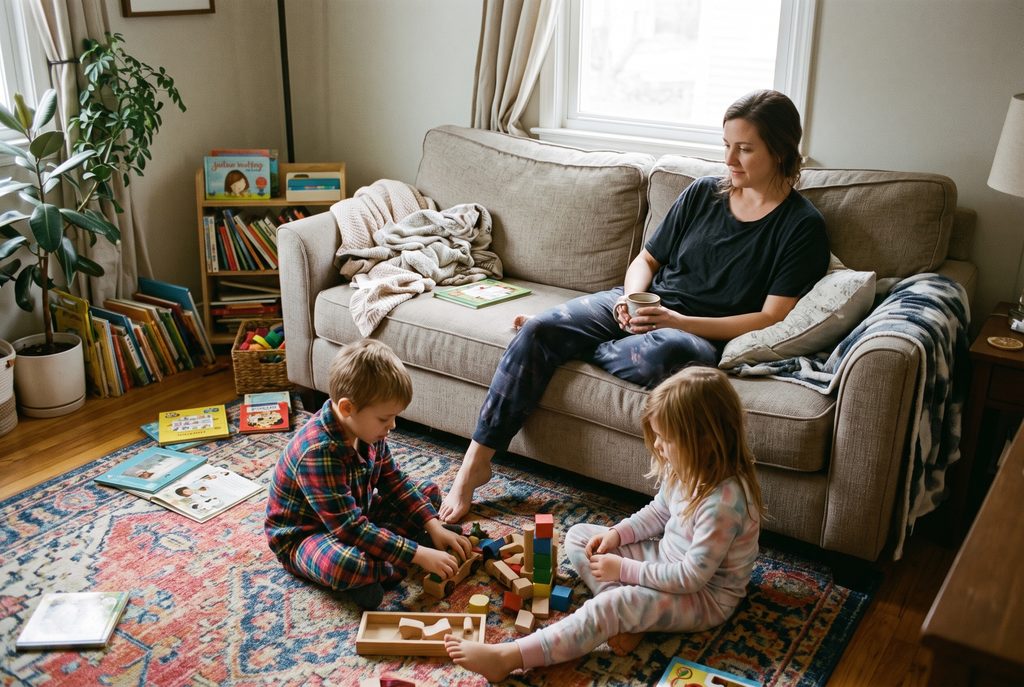
Let’s be honest—one of the absolute best perks of homeschooling is the slow morning.
There’s something magical about sipping coffee while the kids stay in their pajamas, ease into the day, and just be. For neurodivergent kids—especially those dealing with ADHD, sensory overload, or executive function hurdles—those low-key mornings aren’t just a nice luxury. They’re a total necessity for keeping their nervous systems calm and happy before tackling a big day.
But then… Co-op Day happens. Or a playgroup. Or a doctor’s appointment you can’t push back.
Suddenly, that peaceful morning rhythm hits a giant wall. Asking a kid to jump from cozy, zero-demand quiet time to “hurry up, find your shoes, put your socks on, we have to leave in five minutes!” is a recipe for instant meltdowns, resistance, or complete shutdowns.
When we drop a sudden transition on them, their brain freaks out a bit. It feels unpredictable and overwhelming. But here’s the good news: you don’t have to give up your beloved slow mornings forever. You just need to prep for the shift the night before.
Front-Loading: Giving Their Brain a Heads-Up
Think of executive functioning as the brain’s air traffic controller. It handles things like planning, keeping track of time, and switching gears. For our neurodivergent kiddos, switching gears takes a ton of mental energy.
When we spring an early morning on them out of nowhere, we’re asking that internal controller to pull off a high-stress maneuver with zero warning.
Instead, we can front-load the plan.
When you’re tucking them in at night—during that cozy, calm moment reading a story or just snuggling—gently give them a little roadmap for tomorrow:
“Hey, just a heads-up! Tomorrow is a Wild Sprouts day! We’re heading to the park to see our friends, so we’ve got to get up a bit earlier than usual and head out by 9:00. Tomorrow night, we’ll be right back to our normal, slow-morning vibe.”
That simple heads-up works wonders. By dropping the info in a quiet, low-stakes moment, their brain gets all night to process it. They wake up with a mental map instead of a sudden surprise.

Different Kids, Different Styles
Not every kid handles transitions the same way, so tweak this to fit what works for yours:
- The Go-Getter Planner: Some kids love having total control over the plan. Giving them a heads-up means they might set out their clothes, pack their backpack, or grab their favorite snacks the night before.
- The Co-Regulator: Other kids just need a heads-up and a little teamwork. They might say, “Okay Mom, can you wake me up gently and give me a couple of time checks so I don’t feel rushed?”
- The Independent One: Older kids or pre-teens love owning their routine. Getting them their own cool alarm clock or a watch lets them take charge of their morning without feeling like they’re just being bossed around.
Getting out the door doesn’t have to be a big morning battle. When we build a little bridge the night before, we make room for real life while still respecting what our kids need to thrive.
Looking for gentle, nervous-system-friendly ways to support your child’s learning and daily transitions? Check out our core programs or grab a quick, zero-pressure 15-minute Fit Check
at brittanyfank.com/learning-paths.